Blog posts by Dirk Rathsack

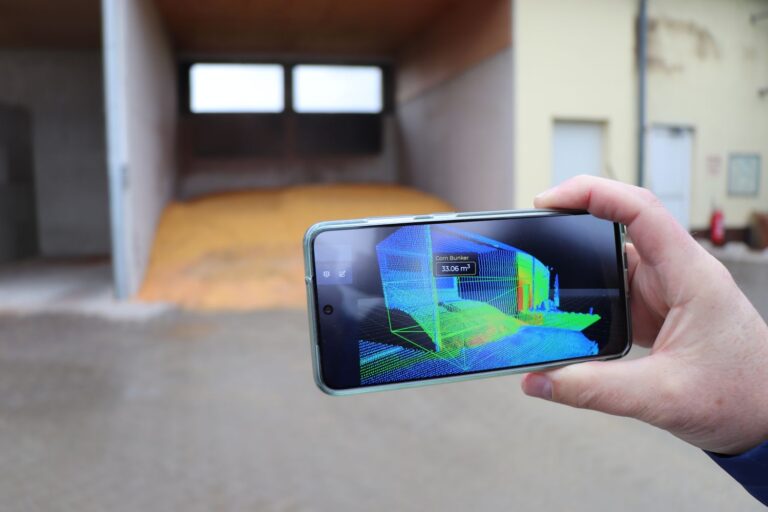
Grain silo used for bulk solids measurement and storage in agricultural operations.
Dirk Rathsack
Volume Monitoring
In many silos, fill levels are still measured at a single point, or simply estimated. Because bulk solids rarely form a flat surface, these readings can be significantly off. This article explains why silo volume calculation based on a single measuring point falls short, compares common measurement methods and shows how 3D LiDAR delivers a more accurate measurement because it captures the entire material surface.

Dirk Rathsack
Traffic & Infrastructure
For future-proof infrastructure, simply counting vehicles is no longer enough. LiDAR traffic counting outperforms conventional systems by capturing all road users in 3D, regardless of weather conditions and in full compliance with data privacy regulations - providing the ideal data foundation for modern urban planning.
Dirk Rathsack
Traffic & Infrastructure
With growing traffic volumes, alternatives to legacy traffic detection technologies such as inductive loops are becoming essential. LiDAR provides a less invasive and more comprehensive view of traffic flows, enabling data-driven traffic management with real-time, high-resolution insights.
Dirk Rathsack
Volume Monitoring
Modern technologies enable precise real-time bulk material measurement. With LiDAR-based systems, companies can optimize material management, streamline production processes, and reduce costs.
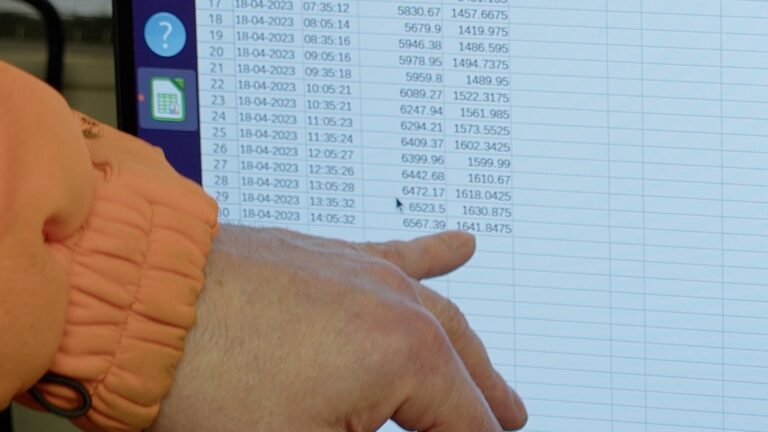
Excel file showing measured stockpile data for accurate stockpile inventory tracking and analysis.
Dirk Rathsack
Volume Monitoring
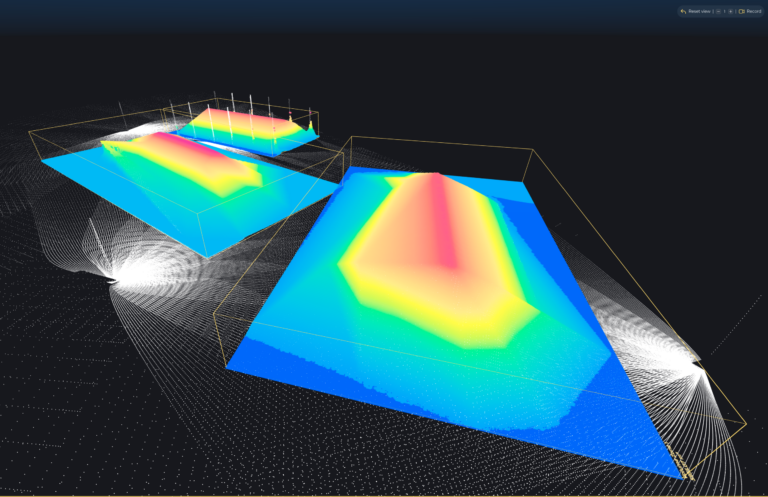
Modern LiDAR technology makes stockpile inventory precise and automated. Companies gain real-time, accurate insights into their bulk material stocks—fast, reliable, and efficient.
Dirk Rathsack
Volume Monitoring
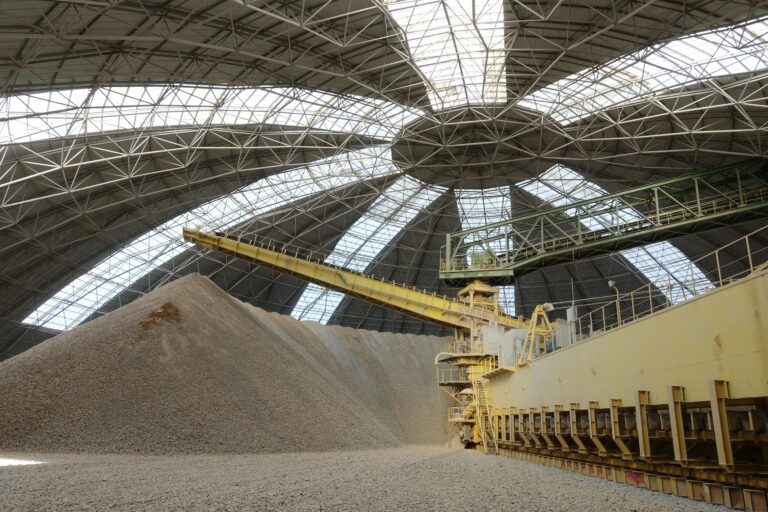
The cement industry is undergoing a transformative shift, driven by digitalization and Industry 4.0 technologies. These advancements address critical challenges such as the need for increased productivity, improved efficiency, and enhanced operational control. As the industry evolves, plant managers and logistics coordinators are increasingly adopting sophisticated solutions to streamline operations, ensure regulatory compliance, and maintain a competitive edge.
Dirk Rathsack
Volume Monitoring
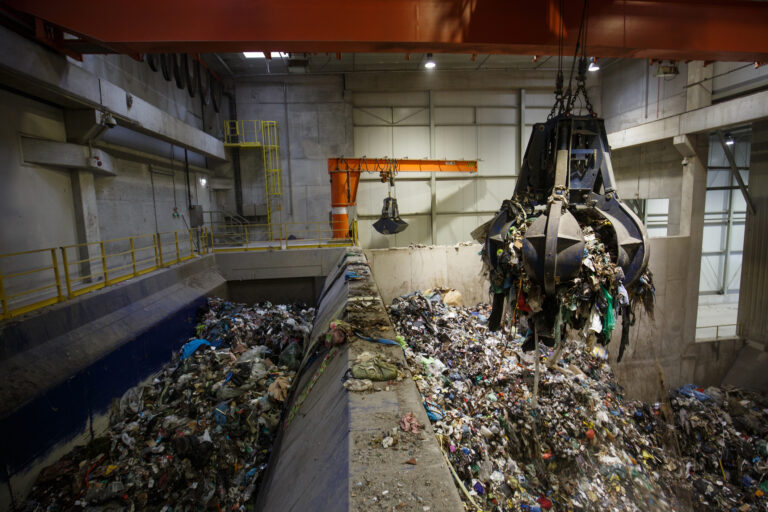
Since January 2024, waste management companies in Germany are required to pay increasing fees for each ton of CO2 emitted through waste incineration. The volume of burned waste serves as the basis for calculating this fee, making precise determination increasingly important.
Search